How STP, WTP and Power Backup Work in a Large Gated Community
Quick Answer
An STP treats a building’s sewage on-site so it can be reused or safely discharged. A WTP treats incoming water, usually from a borewell or municipal supply, before it reaches your tap. “100% power backup” means every flat’s full electrical load runs during an outage, not just the lifts and lobby. Before buying, ask three things. Check the STP’s capacity against the unit count. Confirm where treated water actually goes. Then ask whether backup covers your flat or just common areas.
Every gated community brochure mentions STP, WTP, and power backup. Almost none explain what these systems actually do. This guide walks through each one in plain language. You can then ask a sharp question on your next site visit, instead of just nodding along.
Why These Three Systems Matter More Than Most Buyers Realize
These three systems quietly decide three things that affect your daily life. They shape your water quality, your monthly maintenance bill, and whether your fridge still works during a power cut.
A poorly designed STP can mean bad smells near your building. A weak WTP can mean discoloured water at your tap. And “backup” that only covers the lobby means your own flat goes dark anyway. None of this shows up in a brochure photo.
Be Among the First to Own a Legacy
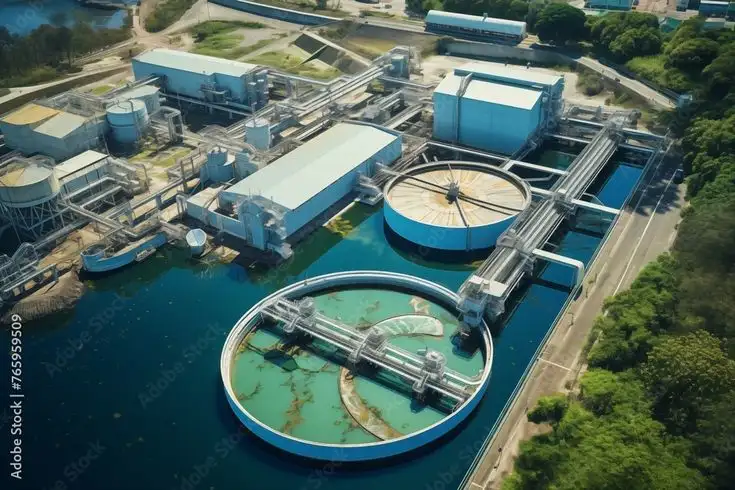
What Is an STP, and How Does Sewage Treatment Actually Work?
An STP, or Sewage Treatment Plant, cleans a building’s wastewater on-site. Large complexes need one for two reasons. Municipal sewage systems often can’t handle their scale. Environmental rules also require it above a certain size.
The process runs in stages. First, physical screening removes solids like plastic and grit. Next, biological treatment uses bacteria to break down organic waste in the water. Finally, disinfection kills remaining pathogens before the water leaves the plant.
The output is treated water, not drinking water. Most communities reuse it for gardening, flushing, or cooling towers, cutting down on fresh water use significantly.
What Is a WTP, and How Is Your Water Treated Before It Reaches the Tap?
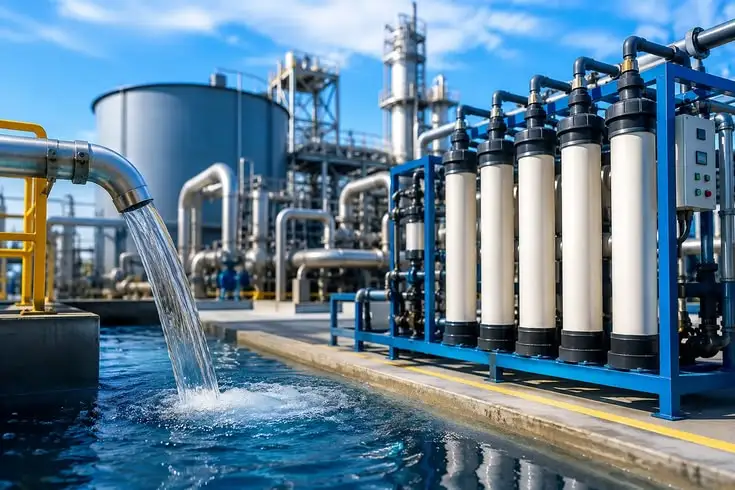
A WTP, or Water Treatment Plant, treats water coming into the building. This is usually borewell or municipal water, treated before it reaches individual flats. It removes impurities and improves overall water quality.
Whether that water is safe to drink straight from the tap depends entirely on the treatment level installed. Some WTPs only filter and soften water for general use. Others add further purification closer to drinking-water standards. Never assume either way. Ask the specific project directly, since this varies widely between developments.
Power Backup Explained: DG Sets, Common-Area Load, and 100% Backup
Power backup usually comes from diesel generators, known as DG sets, that kick in automatically when grid power fails. The important question isn’t whether backup exists. It’s what the backup actually covers.
“100% power backup” means your flat’s entire sanctioned electrical load runs during a cut, air conditioners, geysers, and everything else included. Partial or common-area backup covers only shared spaces like lifts and lobbies. Your own flat can still go dark in that second scenario, even while the building brochure says “backup available.”
This distinction matters enormously, and sales conversations don’t always spell it out clearly.
Is STP Mandatory? The Regulatory Angle Most Buyers Miss
Under national Central Pollution Control Board guidelines, residential projects generating 10 KLD (kilolitres per day) or more of sewage need an STP. In practical terms, this usually applies to complexes above roughly 50 units. The technical trigger is built-up area, though, not unit count alone.
State boards, including the Telangana State Pollution Control Board, can apply their own conditions on top of this national baseline. Confirm the exact current threshold directly with TSPCB if this matters to your purchase. State-level specifics can change, and aren’t always published in one place.
A missing or non-functional STP isn’t just an environmental issue. It can also create problems with a project’s Occupancy Certificate, which affects registration and resale down the line.
Red Flags: Signs an STP, WTP, or Backup System Is Poorly Maintained
A few things are worth checking in person, not just asking about.
- A foul smell near the STP area, even from a distance
- Discoloured, cloudy, or odd-smelling tap water in model flats or common washrooms
- DG sets sized only for lifts and lobbies, not for individual flat loads
- Frequent complaints about backup failures in resident reviews or RWA notices
- Treated water from the STP visibly unused, with gardens or flush lines still running on fresh water
Any one of these is worth asking about directly. Several together suggest a system that exists on paper but not in practice.
What to Ask Before You Buy: A Practical Checklist
Bring these questions to your next site visit:
- What is the STP’s rated capacity, and how does that compare to the total unit count?
- Where does the treated water actually go: flushing, gardening, cooling, or discharge?
- Is the WTP treating water to drinking standard, or only for general household use?
- Does power backup cover 100% of my flat’s sanctioned load, or only common areas?
- Can I see recent maintenance or water-testing records for the STP and WTP?
- How much of my monthly maintenance charge goes toward running these three systems?
A developer or RWA representative confident in their systems should answer all six without hesitation.
Do’s and Don’ts When Evaluating These Systems
Do’s
- Walk near the STP yourself rather than relying on a brochure photo.
- Ask current residents, not just the sales team, about water quality and backup reliability.
- Request the STP’s capacity figure in writing, not just a verbal “yes, we have one.”
- Clarify exactly what “100% backup” covers before you sign anything.
Don’ts
- Don’t assume WTP-treated water is drinking-safe without confirming the treatment level.
- Don’t accept “we have power backup” as a complete answer; always ask what it covers.
- Don’t skip asking about maintenance costs tied to these systems, since they add up over time.
- Don’t take a strong odor or discoloured water during a visit as a one-off; ask why it happened.
How These Systems Affect Your Monthly Maintenance Costs
STP, WTP, and DG backup all carry ongoing costs: electricity, chemicals, diesel, and routine upkeep. These costs sit inside your monthly maintenance charge, whether or not anyone points that out upfront.(Source)
The exact proportion varies by project, building size, and how efficiently the systems run. A well-maintained STP and right-sized WTP can actually lower costs over time by cutting fresh water consumption. A neglected one often costs more in the long run, through repairs, fines, or resident disputes. Ask directly what share of your maintenance bill these systems represent, rather than assuming the number is negligible.
Key Takeaways
- An STP treats sewage on-site in three stages: screening, biological treatment, and disinfection.
- A WTP treats incoming water, but drinking-safety depends on the specific treatment level installed.
- “100% power backup” covers your entire flat’s load; partial backup covers only common areas.
- STP is mandatory above a national threshold of 10 KLD sewage generation, roughly 50+ units. Confirm Telangana’s exact current rule with TSPCB.
- Foul odours, discoloured water, and undersized DG sets are visible warning signs worth investigating on a site visit.
- All three systems add real, ongoing cost to your monthly maintenance charge. Ask about this directly rather than assuming it’s minor.