Kokapet vs Financial District: Understanding the Lifestyle Difference
Quick Answer
Kokapet offers newer development, larger homes and a wider housing mix, while Financial District provides a more established commercial ecosystem and shorter access to offices within the corridor. The better fit depends on whether you prioritise space and newer infrastructure or everyday convenience and proximity to work.
Kokapet and Financial District sit close enough that people sometimes describe one as an extension of the other. Both attract the same buyer: a professional or family anchored to Hyderabad’s western IT corridor. Yet they offer genuinely different ways of living, not just different price tags.
This guide compares them on three things that actually shape daily life: connectivity, commercial ecosystem, and housing character. Price matters too, and we cover it, but it isn’t the whole story here.
Where Are Kokapet and Financial District, and Why Are They Compared?
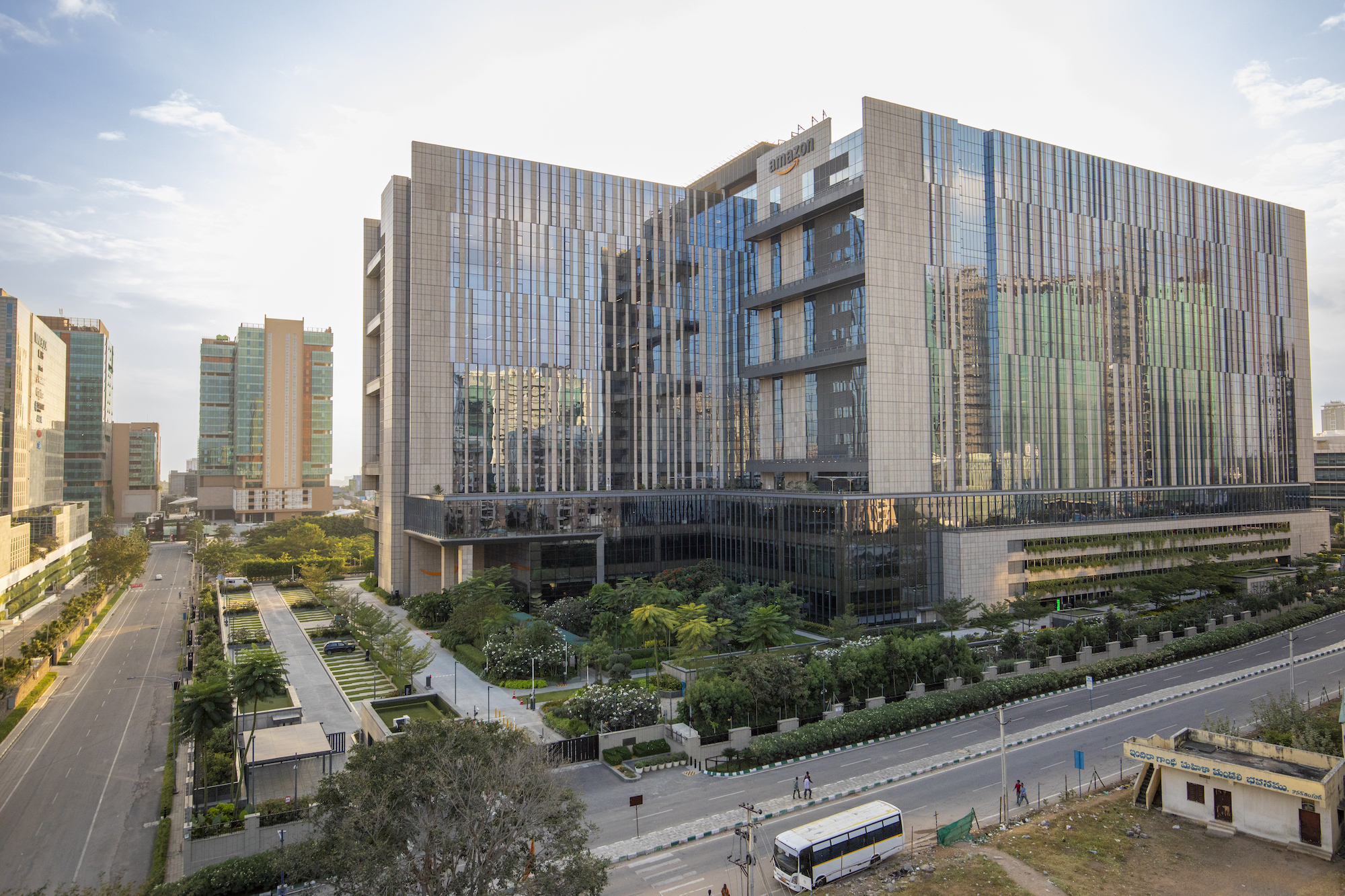
Financial District sits in the Nanakramguda-Khajaguda belt, inside the Outer Ring Road in Rangareddy district. Built deliberately around Grade-A office space, it hosts the Indian campuses of Google, Microsoft, Amazon, Apple, TCS, and Qualcomm.
Kokapet sits just next door, also in Rangareddy district, under Gandipet Mandal. Wikipedia describes it as “almost an extension of Financial District.” The numbers back that up. Neopolis, Kokapet’s premium planned zone, sits roughly 2 km from Financial District, under a ten-minute drive.
That closeness is exactly why buyers compare them. They aren’t choosing between two distant corridors. They’re choosing between two different personalities within the same broader neighbourhood.
[]PROJECT_PROMOTION]
Connectivity: ORR Access, Metro Status, and Commute to the IT Corridor
Both areas connect to the Outer Ring Road, though Kokapet has an edge here. Neopolis has its own dedicated trumpet interchange, built to route traffic without funnelling it through Kokapet’s older internal roads. Financial District relies on the more heavily used Nanakramguda and Khajaguda junctions instead.
On metro, the two areas share the same future. Both sit on Corridor V of Hyderabad Metro Phase 2. This 11.6 km extension of the Blue Line runs from Raidurg through Nanakramguda and Financial District, ending at Kokapet Neopolis. The Telangana Cabinet approved this corridor in October 2024.
As of 2026, though, neither area has an operational metro station. Construction has not started, and no firm completion date exists yet. Treat this corridor as a real, funded plan, not something to bank on for your next commute.
Day-to-day, Kokapet actually wins on raw distance to the job cluster. HITEC City sits about 10 km from Neopolis, a 15-to-20-minute drive. Financial District, being the job cluster itself, offers an even shorter commute for anyone working within it.(Source)
Commercial Ecosystem: Retail, Healthcare, and Everyday Convenience
Financial District has the maturity advantage. Over a decade of planned development gave it established hospitals, hotels, and retail already woven into daily life, alongside the office towers themselves.
Kokapet leans on its neighbours for scale. Residents share Inorbit Mall, Sarath City Capital Mall, and hospitals like Continental and AIG with Financial District and Gachibowli, all a short drive away. Within Neopolis itself, retail and hospitality are still filling in, even as the residential towers rise quickly.
Schools tell a similar story. Oakridge International and Rockwell International both sit near Kokapet, giving families real options without needing to travel into central Gachibowli. That said, Financial District’s broader density still gives it the edge for sheer everyday convenience.

Housing Character: High-Rises, Villas, and Who Each Area Is Built For
This is where the two areas diverge most sharply. Financial District skews almost entirely toward high-rise apartments, built dense and close to the office towers that define the area. ASBL’s own Spectra, Loft, and Broadway developments there follow exactly this pattern: compact, premium 3BHK towers designed for people who want to live where they work.
Kokapet, especially within Neopolis, offers something wider. Alongside premium high-rises, buyers find villas and larger plotted developments, a mix Financial District simply doesn’t have room for. Neopolis also carries an unusually generous floor space index, letting developers build bigger units with bigger floor plates than a typical Hyderabad high-rise.
Put simply, Financial District suits someone who wants an apartment close to work. Kokapet suits someone who wants more space, and is willing to look a little further for it, even if that “further” is only a few kilometres.
Pros
- Kokapet offers newer developments, larger homes and a wider mix of apartments and villas.
- Financial District has a more established ecosystem of offices, retail, healthcare and hospitality.
- Both areas offer strong connectivity to Hyderabad’s western IT corridor.
- Kokapet benefits from the Neopolis interchange and ongoing infrastructure development.
- Financial District offers shorter commutes for professionals working within the office cluster.
Cons
- Parts of Kokapet are still developing their retail and social infrastructure.
- Premium projects in Kokapet can command significantly higher prices.
- Financial District has fewer villa and plotted housing options due to its high-density development.
- Metro connectivity for both areas is still planned rather than operational.
- Rental yields and price appreciation can vary considerably by project and micro-location.
Price Trends and Appreciation Potential Compared
Financial District’s prices run roughly ₹8,500 to ₹14,500 per sq ft, with most transactions clustering near ₹10,800 to ₹11,400. Three-year appreciation sits around 20%, and rental yields, thanks to steady demand from the resident office workforce, run a healthy 4% to 6%.
Kokapet splits into clearer tiers. Standard apartments outside Neopolis run ₹9,000 to ₹12,000 per sq ft. Neopolis high-rises start higher, typically ₹12,000 to ₹14,000, while ultra-luxury towers and sky villas push past ₹14,000, sometimes reaching ₹17,500.
The growth story here is dramatic. Reported price CAGR has run 12% to 18% annually in recent years, and HMDA’s own Neopolis land auctions confirm it independently: prices climbed from ₹14 crore per acre in 2007 to a winning bid of ₹151.25 crore per acre in late 2025. Rental yields, however, rarely clear 3% to 4% at this price point, so Kokapet’s case rests far more on long-term appreciation than on rental income.
Which Should You Choose? A Framework Based on Your Priorities
Neither area is objectively better, so it helps to answer a few honest questions about your own situation first.
Do you want the shortest possible commute today, or are you comfortable trading a few extra minutes for more space? Financial District favours the first answer. Kokapet favours the second, especially if a villa or larger plotted home appeals to you.
Are you optimising for rental income, or for long-term capital growth? Financial District’s established rental market and steady 4% to 6% yields suit an income-focused investor. Kokapet’s land auction data points to stronger appreciation, but with lower near-term yield and a market still finding its floor.
Finally, consider your life stage. A young, dual-income professional renting or buying their first home often leans toward Financial District’s density and immediacy. A family planning to stay a decade or more, with more patience for infrastructure to mature, often finds Kokapet’s space and upside the better fit.
Key Takeaways
- Financial District offers a more established ecosystem, with offices, retail, healthcare and hospitality already integrated into the area.
- Kokapet provides a newer and more varied housing mix, including premium apartments, villas and larger developments.
- Both areas benefit from ORR connectivity, while Kokapet also has the Neopolis interchange.
- Metro connectivity is planned for both areas, but neither currently has an operational station.
- Financial District can suit buyers prioritising commute and convenience, while Kokapet can appeal to those seeking more space and newer development.
- Property prices and rental yields vary significantly by project, so micro-location and project-level comparison remain important.